
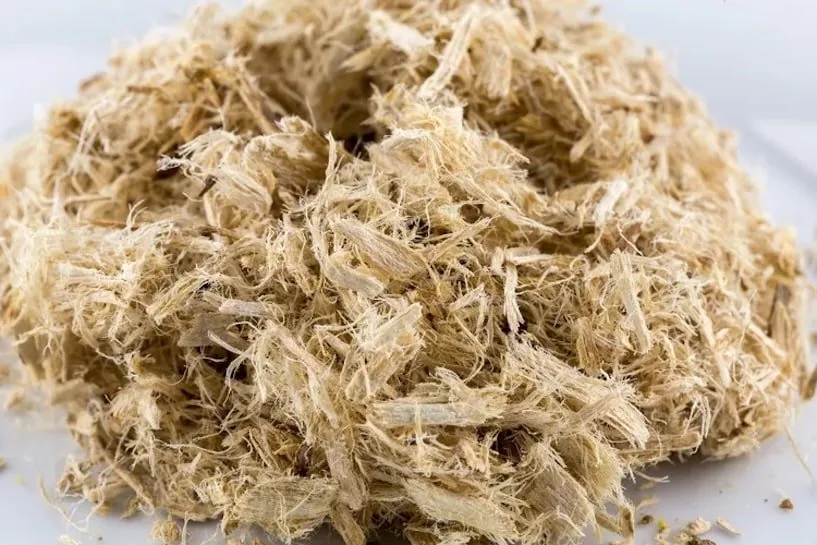
Slippery elm (Ulmus rubra) is the inner bark of the North American red elm. Mixed with water it releases mucilage, a smooth gel traditionally used to coat and soothe the throat and digestive tract. It is gentle, but because it coats the gut it can slow absorption of medicines, so take it 1 to 2 hours apart.
What Is Slippery Elm?
Slippery Elm (Ulmus rubra) is a medium-sized elm tree native to eastern North America. It grows from Nova Scotia and Quebec down through the Appalachian Mountains, across the Midwest, and all the way to Texas and Florida. You'll find it in moist, rich forests — along streams, riverbanks, and valley floors where the soil is deep and the humidity is high.
The tree itself can grow up to 60 feet tall. Its leaves are large and rough like sandpaper on top, softer underneath. In spring, small reddish flowers appear before the leaves do. But none of that is why we care about Slippery Elm.
The magic is in the inner bark. Beneath the rough outer bark lies a thin layer of inner bark (called the inner cambium) that does something extraordinary when it gets wet: it turns into a thick, slippery, gel-like substance. This gel is called mucilage — and it is one of the most protective and soothing compounds found anywhere in nature.
When you swallow it, this gel doesn't just pass through your digestive system like other foods. It coats the lining of your throat, esophagus, stomach, and intestines like a warm, protective film. That coating effect is what makes Slippery Elm unlike almost anything else in the herbal world.
Native Americans used the inner bark in two main ways: as medicine and as food. Mixed with water, it forms a thick gruel — almost like a porridge — that is highly nourishing and easy on a troubled stomach. The bark was also dried and ground into flour for bread during lean times. Slippery Elm was not just a remedy. For many tribes, it was a survival food that kept people alive through harsh winters when other food sources ran out.
Today, Drink Inc sources wildcrafted Slippery Elm bark — harvested from trees growing in their natural forest habitat — for use in Klara Tea, our soothing loose-leaf herbal tea.
A Rich History2,000 Years of Use — From Native Nations to Your Cup
Few herbs in North America have as deep and well-documented a history of human use as Slippery Elm. The ethnobotanist Daniel Moerman's landmark 1998 reference work, Native American Ethnobotany, documents its use among dozens of distinct tribes — making it one of the most widely used medicinal plants among indigenous North Americans.
The Cherokee
The Cherokee people of the Appalachian region used Slippery Elm bark in multiple ways. They applied the fresh inner bark as a poultice to soothe wounds, burns, and skin irritations. They used it internally to ease childbirth — the mucilaginous bark helped relax and lubricate tissues. They also made it into a sustaining food gruel during winter months when other food sources were scarce. For the Cherokee, this tree was a true multi-purpose lifeline.
The Iroquois, Ojibwe, and Algonquin
The Iroquois Confederacy — encompassing the Mohawk, Oneida, Onondaga, Cayuga, Seneca, and Tuscarora — used Slippery Elm to treat eye irritation and inflammation, bowel problems, and general digestive upset. The Ojibwe people of the Great Lakes region used it as a food thickener and for throat conditions. Algonquin peoples documented its use for fever reduction and as a stomach-soothing tea.
The Osage, Mohegan, and Great Plains Tribes
The Osage used it for treating wounds and sores. The Mohegan, a Connecticut tribe, used it for bowel conditions and as a general nutritive food during illness. Great Plains tribes carried dried Slippery Elm bark on long journeys as a compact, lightweight emergency food that could sustain a person for days — just add water and stir.
The American Frontier and Revolutionary War
As European settlers moved into North America, they quickly adopted Slippery Elm from their indigenous neighbors. Frontier families kept it in their medicine chests as a standard household remedy. During the American Revolution, Slippery Elm bark served a critical practical role: soldiers used it as an emergency food ration (mixed into a gruel) and as a wound poultice when more conventional medical supplies ran out. George Washington's troops are said to have relied on Slippery Elm bark gruel during the brutal winter at Valley Forge.
Official Medicine for 140 Years
Here is the fact that separates Slippery Elm from most herbs people call "traditional remedies": it was listed in the United States Pharmacopeia (USP) — the official compendium of recognized medicines — continuously from 1820 to 1960. That means for 140 years, American doctors legally prescribed Slippery Elm as a recognized medicine. It wasn't folklore. It was the official standard of care.
Eclectic physicians — a major school of American medicine in the 19th century — considered it one of their most indispensable tools, especially for bowel, throat, and respiratory conditions. Louisa May Alcott, author of Little Women, wrote about Slippery Elm as a household staple remedy in the Alcott family home. Even today, pharmacies still sell Slippery Elm throat lozenges on their shelves — a reminder that some things don't need to be "rediscovered." They never stopped working.
Sourcing MattersWhy Wildcrafted Slippery Elm Is Different
Think about the difference between a wolf and a domestic dog. Both are the same species at heart, but the wolf has spent its life in wild conditions — running long distances, hunting in cold weather, facing real challenges. That life builds a different kind of animal. Harder. More complex. More capable.
The same logic applies to medicinal herbs. A Slippery Elm tree growing in a wild forest faces real challenges: drought, competition from surrounding trees, insects trying to consume its bark, frost, thin soil. To survive, the tree produces a richer array of protective chemical compounds — including more complex mucilage, higher concentrations of antioxidants, and a greater variety of phytochemicals. These are the compounds you want in your supplement.
A farmed Slippery Elm tree, by contrast, grows in irrigated, fertilized conditions with reduced competition and controlled variables. It may look identical on the outside, but the chemical depth inside is shallower. The plant simply didn't need to fight as hard.
Drink Inc sources wildcrafted Slippery Elm bark from trees growing in their natural forest habitat in eastern North America. We pay more for this. We source less volume because of it. But we believe the difference is real — and that you can feel it in what the bark actually does for your gut. We will not compromise on this.
Plant ChemistryWhat's Actually Inside Slippery Elm Bark
Slippery Elm works because of a specific set of natural compounds. Here's what they are and what each one does for you — in plain language.
Mucilage — The Star of the Show
When the inner bark of Slippery Elm gets wet, it produces a thick, sticky gel called mucilage. This gel coats the lining of your throat, esophagus, and stomach like a protective film. It works by coating and soothing, not by neutralizing stomach acid. The mucilage doesn't just mask the pain. It physically shields irritated tissue while your body repairs itself. It also draws water into the colon, which helps normalize stool consistency in both constipation and diarrhea.
Antioxidants — Catechins, Flavonoids, and Kaempferol
Slippery Elm bark contains a meaningful array of plant antioxidants. These compounds help protect your gut lining from oxidative damage — the cellular wear and tear caused by inflammation, poor diet, stress, and environmental toxins. Kaempferol, in particular, has been studied for its anti-inflammatory effects in the digestive tract.
Beta-Sitosterol — The Plant's Anti-Inflammatory Sterol
Beta-sitosterol is a plant-based compound that looks structurally similar to cholesterol. It is found throughout the plant kingdom, but Slippery Elm contains it in notable concentrations. Research has identified anti-inflammatory properties in beta-sitosterol, which may contribute to the bark's ability to soothe an irritated gut wall.
Tannins — Nature's Astringents
Tannins are mildly astringent plant compounds that help tighten and protect inflamed or irritated mucous membranes. In the context of your gut, this means tannins can help reduce excessive secretion and protect raw, inflamed tissue from further damage. They contribute to the bark's usefulness for both diarrhea and general intestinal inflammation.
Prebiotic Starches and Sugars
Slippery Elm bark contains complex starches and polysaccharides that act as prebiotic fuel for beneficial gut bacteria — particularly Lactobacillus and Bifidobacterium species. In other words, Slippery Elm doesn't just soothe your gut lining. It helps feed the good bacteria that keep your gut microbiome healthy and resilient over the long term.
The Benefits of Slippery Elm Bark
From everyday digestive comfort to throat soothing to gut maintenance — here are the key ways Slippery Elm has been traditionally used to support your wellness.†
Soothes Post-Meal Burn
The mucilage forms a soothing gel that has been traditionally used to support the esophagus and stomach lining — a gentle layer that may ease the burning, scratching feeling that can follow meals.†
Supports Everyday Digestive Comfort
Slippery Elm's mucilage has been traditionally used to support comfortable, regular digestion — helping the gut feel calmer and steadier through the day.†
Supports the Gut Lining
Slippery Elm's gel-like mucilage has been traditionally used to support the digestive lining, providing a soothing layer along the gut wall.†
Soothes Sore Throats & Coughs
Long before modern medicine, Slippery Elm was a go-to remedy for throat irritation. The mucilage coats and soothes the throat on contact. This is why Slippery Elm lozenges are still sold at pharmacies today.†
Supports Healthy Digestion
By lubricating the digestive tract and providing gentle bulk, Slippery Elm has been traditionally used to support smoother digestion — reducing the friction, bloating, and discomfort that can come with a sluggish or sensitive gut.†
Feeds Beneficial Gut Bacteria
The prebiotic starches and polysaccharides in Slippery Elm bark serve as food for the beneficial bacteria in your microbiome — supporting a balanced inner ecosystem.†
Supports Skin Wellness
The gut-skin axis is a focus of modern wellness research. By supporting a calmer gut, Slippery Elm may help support a more even-looking complexion as part of an overall routine.†
A Gentle Daily Demulcent
Slippery Elm has been traditionally used as a demulcent — a soothing herb that supports the body's mucous membranes. A gentle daily ally for sensitive digestion.†
Supports Satiety
Slippery Elm's high-fiber mucilage expands in your stomach and slows the rate of digestion, which may help you feel fuller for longer as part of a balanced eating pattern.†
Modern Wellness Concerns Slippery Elm Has Been Traditionally Used For
Slippery Elm bark is most celebrated for everyday digestive comfort, but its traditional uses extend further than most people realize. Here is a closer look at the everyday wellness concerns where this herb has been traditionally valued.
Post-Meal Burning and Everyday Reflux Sensations
Post-meal burning and occasional reflux sensations are common everyday experiences for many adults. Slippery Elm's mucilage forms a soothing gel that has been traditionally used to support the lining of the digestive tract — providing a gentle, lightly sweet daily ritual for anyone with sensitive digestion.†
Sensitive Digestion and Everyday Discomfort
Sensitive digestion shows up as cramping, bloating, gas, or irregular patterns. The mucilage in Slippery Elm has been traditionally used to support smoother, more consistent digestion — gentle enough for daily use.†
Gut-Lining Support
Your gut lining is only one cell layer thick and can be sensitive to stress, diet, and busy modern routines. Slippery Elm's mucilage has been traditionally used to soothe and support this lining — providing a soothing layer along the gut wall.†
Sore Throat and Chronic Throat Clearing
If you have an occasional sore throat, post-nasal drip, or the habit of frequent throat clearing, Slippery Elm's mucilage has been traditionally used to soothe the throat on contact. This is why it has been used in throat lozenges for over a century.†
Healthy, Regular Digestion
Because mucilage absorbs water and adds gentle bulk to stool, Slippery Elm has been traditionally used to support healthy, regular bowel function — gently, in both directions, rather than forcing it one way.†
Skin and the Gut-Skin Connection
Research continues to deepen our understanding of the gut-skin axis. By supporting a calmer gut, Slippery Elm may help support a more even-looking complexion as part of an overall routine.†
Daily Maintenance and Satiety
The mucilage in Slippery Elm expands in the stomach and slows gastric emptying — meaning food stays in your stomach longer, blood sugar rises more gradually, and you feel satisfied for a longer period. This natural satiety effect makes it a valuable ally for people working on healthy weight management.†
Maintenance and PerformanceYou Don't Have to Be Sick to Benefit
Most people come to Slippery Elm when they have a gut problem. But some of the most interesting use cases are for people who are already healthy and want to stay that way.
Daily Gut Maintenance
Your gut lining renews itself constantly — but only as well as you support it. Daily use of Slippery Elm provides a gentle, protective coat to your digestive tract, reducing the cumulative wear from spicy foods, alcohol, coffee, stress, and the general demands of modern life. Think of it as moisturizer for your gut wall.†
Prebiotic Support for Your Microbiome
If you are serious about gut health, you already know that feeding your beneficial bacteria matters. Slippery Elm's complex starches serve as prebiotic fuel for Lactobacillus and Bifidobacterium — the bacteria most closely associated with a healthy, resilient gut microbiome. Taking Slippery Elm alongside a probiotic supplement is a smart one-two approach.†
Athletes and Exercise-Induced GI Distress
Gut problems are extremely common in endurance athletes — especially runners. Studies suggest that up to 70% of runners experience gastrointestinal symptoms during intense exercise, including nausea, cramping, bloating, and diarrhea. The mechanical stress of running, combined with reduced blood flow to the gut during exercise, can damage the intestinal lining. Slippery Elm's mucilage may help protect and soothe the gut wall before and after hard training sessions.†
Travelers
When you travel internationally, your gut encounters unfamiliar bacteria, new foods, and different water sources. The mucilage in Slippery Elm creates a protective layer in your gut, potentially reducing the impact of foreign bacteria and helping your digestive system adapt more smoothly.†
Antibiotic Recovery
Antibiotics are sometimes necessary — but they don't discriminate between harmful bacteria and the beneficial species your gut depends on. After a course of antibiotics, the gut microbiome is depleted and vulnerable. Slippery Elm's prebiotic properties help feed the surviving beneficial bacteria and support the microbiome's recovery.†
Intermittent Fasters
During fasting periods, stomach acid is present with no food to buffer it. Some people experience discomfort, nausea, or acid reflux while fasting. Slippery Elm's mucilage can provide a gentle, calorie-light protective coat to the stomach lining during fasting windows.†
Using It RightHow to Use Slippery Elm Bark
The Traditional Method: Bark Gruel
For centuries, the most common way to prepare Slippery Elm was simple: mix powdered inner bark with cold water to form a paste, then slowly add boiling water while stirring, until you have a smooth, thick gruel. This can be sweetened with honey or maple syrup and consumed warm. This preparation was used as both food and medicine — nourishing, filling, and deeply soothing to the stomach.
The Modern Method: Herbal Tea
Drink Inc features wildcrafted Slippery Elm bark in Klara Tea — our soothing loose-leaf herbal tea. To prepare:
- Measure 1–2 teaspoons of Klara Tea loose-leaf blend into a tea infuser or strainer.
- Heat water to a full boil (212°F / 100°C).
- Pour boiling water over the herbs and steep for 10–15 minutes. The longer the steep, the more mucilage is released.
- Strain and drink. You can add raw honey or lemon to taste.
- Drink once or twice daily, ideally 30 minutes before meals for maximum gut-lining protection.
Safety and Precautions
Slippery Elm is widely considered one of the safest herbs known. It is gentle enough to be recommended for children, the elderly, and pregnant women (though always consult your healthcare provider first). Adverse reactions are extremely rare.
One important note: the mucilage in Slippery Elm can slow the absorption of medications by coating the digestive tract. If you take prescription medications, take them at a different time from your Slippery Elm — ideally a full hour before or two hours after. Always let your healthcare provider know about any herbal supplements you are taking.
Meet Klara TeaA Soothing Ritual in Every Cup
Klara Tea contains wildcrafted Slippery Elm Bark and organic Licorice Root — two of the most trusted soothing herbs in herbal tradition — in a clean, loose-leaf herbal tea formula. No sugar. No preservatives. No alcohol. Just two herbs doing exactly what they've done for thousands of years.
The ScienceWhat the Research Shows
Slippery Elm has not yet been the subject of large-scale clinical trials — partly because it is a traditional food-medicine that does not carry the same commercial incentive as a patentable pharmaceutical. However, the existing body of research and the extensive ethnobotanical record provide meaningful support for its traditional uses.
A 2002 study published in Alimentary Pharmacology & Therapeutics by Langmead and colleagues evaluated the antioxidant effects of several herbal therapies used in inflammatory bowel disease, finding significant antioxidant activity in Slippery Elm-containing preparations. These antioxidant effects are relevant because oxidative stress is a key driver of gut wall damage in conditions like Crohn's and ulcerative colitis.
Research on laryngopharyngeal reflux — the type of acid reflux that affects the throat and voice — has highlighted Slippery Elm as a promising supportive therapy. A 2015 study by Watts and colleagues in the Journal of Voice examined herbal preparations for voice professionals dealing with throat irritation and reflux, noting the protective and soothing properties of mucilaginous herbs including Slippery Elm.
The German Commission E — one of the world's most respected bodies evaluating herbal medicines — approved Slippery Elm bark for use in soothing irritated mucous membranes and inflammatory conditions of the mouth and throat. This approval is documented in Blumenthal et al.'s 2000 reference work, Herbal Medicine: Expanded Commission E Monographs, which remains a definitive resource for evidence-based herbal medicine.
A 2011 review by Cameron and Gagnier in the World Journal of Gastroenterology surveyed natural products for gastrointestinal conditions and noted the mucilaginous herbs' long history of safe, effective use in digestive complaints. The reviewers highlighted the particular value of demulcent herbs (like Slippery Elm) in conditions where gut lining protection is the primary therapeutic need.
The prebiotic properties of Slippery Elm's complex polysaccharides are supported by the broader research on dietary fiber and gut microbiome health. A landmark 2004 review by Hawrelak and Myers in the Alternative Medicine Review documented how complex carbohydrates from plant sources selectively feed beneficial bacterial species — particularly Lactobacillus and Bifidobacterium — which are central to digestive and immune health.
Finally, Daniel Moerman's 1998 comprehensive reference, Native American Ethnobotany, documents the use of Slippery Elm bark across dozens of distinct tribal cultures — representing thousands of years of practical human experimentation with this herb. When dozens of independent cultures, across thousands of years, arrive at the same conclusion about a plant, that is a form of evidence that no single clinical trial can replicate.
Frequently asked questions
Is slippery elm safe to take every day?
Yes. Slippery Elm is considered one of the safest herbs in traditional use. It has been used as a daily food and medicine for thousands of years by many cultures, including as a sustaining food gruel during long periods. It is gentle enough for children, elderly people, and those with sensitive digestive systems. Daily use is appropriate and may actually be where the greatest long-term benefit comes from, as the mucilage helps maintain a protective layer in your gut over time. As always, consult your healthcare provider if you have specific health conditions or take prescription medications.
Can slippery elm help with acid reflux?
Slippery Elm is one of the most traditionally used herbs for post-meal burning and everyday digestive comfort. The mucilage it produces has been traditionally used to soothe the lining of the digestive tract, providing a gentle, soothing layer along sensitive tissue. Many people incorporate it into their daily routine as part of a calming evening ritual. For best results, drink the tea about 30 minutes before meals. Results vary from person to person, and this is not a substitute for medical care.†
How long until I feel results?
Some people notice soothing relief almost immediately after drinking Slippery Elm tea — the mucilage goes to work in your digestive tract quickly. Most people find the routine most worthwhile after 2–4 weeks of consistent daily use. Because Slippery Elm works by coating and soothing your gut lining, consistency matters more than occasional use. Think of it less like a painkiller and more like a daily practice that builds up over time.†
Is slippery elm safe for children?
Slippery Elm is widely regarded as one of the safest herbs for children. Historically, it was used as a nutritive food for infants and children during illness — the gruel made from powdered bark is easily digestible and gentle on small stomachs. Many herbalists recommend it for children with tummy aches, constipation, diarrhea, and sore throats. That said, always consult your child's pediatrician before introducing any new herbal supplement.†
Does wildcrafted slippery elm work better than farmed?
We believe so — and here's the reasoning. Wild Slippery Elm trees grow in natural forest conditions where they face real challenges: drought, frost, competition, insects, and thin soil. To survive, the tree produces a richer array of protective phytochemicals — including more complex mucilage and higher concentrations of antioxidants. A farmed tree in controlled conditions with irrigation and fertilizers doesn't face the same demands, and research on secondary metabolites in plants consistently shows that environmental stress leads to greater chemical complexity. This is why we source wildcrafted bark, pay more for it, and consider it a non-negotiable part of our quality standard.
Sources
- Langmead L, et al. Antioxidant effects of herbal therapies used by patients with inflammatory bowel disease: an in vitro study. Aliment Pharmacol Ther. 2002;16(2):197-205.
- Watts CR, et al. Laryngopharyngeal reflux and herbal treatment. J Voice. 2015;29(2):258-265.
- Blumenthal M, et al. Herbal Medicine: Expanded Commission E Monographs. American Botanical Council; 2000. Slippery Elm chapter.
- Cameron M, Gagnier JJ. Natural products for gastrointestinal conditions: an evidence-based review. World J Gastroenterol. 2011;17(27):3293-3309.
- Moerman DE. Native American Ethnobotany. Timber Press; 1998. (Comprehensive tribal use documentation.)
- Hawrelak JA, Myers SP. The causes of intestinal dysbiosis: a review. Altern Med Rev. 2004;9(2):180-197.

Written by the Drink Inc editorial team. We cite our sources, avoid hype and update guides as new research comes out. Questions or corrections: info@drink-products.com.
† These statements have not been evaluated by the Food and Drug Administration. Drink Inc products are not intended to diagnose, treat, cure, or prevent any disease. Talk with your healthcare provider before starting any supplement, especially if you are pregnant, nursing, take medication, or have a medical condition.