
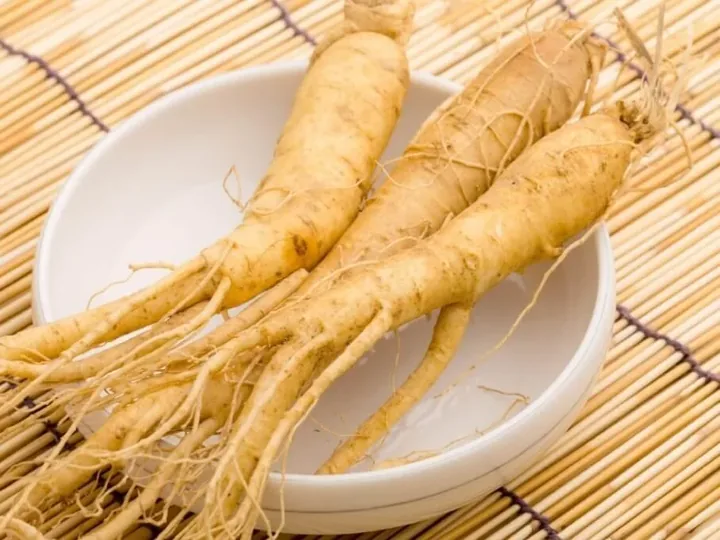
Suma root (Pfaffia paniculata) is an Amazonian herb known in Brazil as para toda, "for everything." It is traditionally used as an adaptogenic tonic for energy, stamina and recovery, and contains saponins and ecdysteroids such as beta-ecdysone. Human research is still early.
What Is Suma Root?
Suma Root (Pfaffia paniculata) is a large, sprawling ground vine native to the Amazon basin and surrounding regions of South America — including Brazil, Ecuador, Panama, and Peru. It grows in the dense, humid understory of tropical forests, climbing and spreading across the forest floor with deep, extensive root systems that can grow to several meters in length. Those roots are where all the medicine is.
In Brazil it is called Para Toda — Portuguese for “for everything” — a name bestowed by indigenous Amazonian peoples who used it for virtually every type of ailment and as a general tonic for health and vitality. It has also earned the nickname “Brazilian Ginseng,” though it is not botanically related to Asian ginseng at all. The comparison is one of effect, not genetics: like ginseng, Suma Root is an adaptogen — an herb that helps the body handle stress, build resilience, and maintain balance under pressure.
The root is large and beige-colored, with a somewhat sweet, slightly earthy flavor. It is dense with active compounds, many of which are unique to this plant. Suma Root belongs to the Amaranthaceae family — the same family as amaranth grain, a staple food in many indigenous cultures. It has been cultivated and wildcrafted in Brazil for centuries, and its reputation as a general-purpose tonic has only grown as modern researchers have begun to isolate and study its unique chemistry.
What makes Suma Root particularly interesting to modern health researchers is a class of compounds called ecdysteroids — specifically beta-ecdysterone, also known as 20-hydroxyecdysone. These are plant-based hormones that in insects control molting and development, but in humans, they interact with estrogen receptors in a way that may support muscle protein synthesis, hormonal balance, and metabolic health. This is the compound that caught the attention of athletes and researchers, and it is just one of many active constituents that make Suma Root so remarkable.
Traditional UseA History Rooted in Tradition
The story of Suma Root begins thousands of years ago in the Amazon basin, where indigenous peoples developed extraordinarily sophisticated knowledge of their plant environment. The rainforest is the most biodiverse ecosystem on the planet, and the cultures that called it home spent millennia learning which plants could heal, which could harm, and which could give a person strength when they needed it most.
Amazonian tribes including the Yawalpiti, Kayapo, and others in the Brazilian interior used Suma Root as a foundational tonic. It was not reserved for the sick. Strong, healthy people took it regularly to build endurance for long hunts, to support vitality, and to maintain the kind of deep physical resilience that life in the Amazon demands. Indigenous healers used it to increase energy and strength, to support sexual vitality and fertility, and to help the body recover from physical hardship and illness.
When Portuguese settlers arrived in Brazil, they quickly adopted the plant and gave it its most memorable name: Para Toda — for everything. The name was not hyperbole. It reflected a genuine observation that this root seemed to help with a wide range of conditions, from fatigue and weakness to hormonal complaints and low immunity. Brazilian folk medicine continued this tradition for centuries, with Suma Root becoming one of the most widely used herbal tonics in the country.
The outside world did not begin to take notice until the 1970s, when Japanese researcher Dr. Takemoto began systematically studying the plant's chemistry. His work, and the work of those who followed, revealed why Para Toda had earned its name: the root contained a genuinely unusual collection of active compounds, including pfaffosides — saponins found nowhere else in nature — and significant concentrations of beta-ecdysterone that had never been found in such quantities in a plant used as a daily tonic.
In the 1980s, as word of Suma Root's adaptogenic and potentially anabolic properties spread, Brazilian athletes began using it as a natural performance enhancer. Its reputation for supporting energy and muscle recovery without the risks of synthetic compounds made it popular in the natural sports nutrition community. Ethnobotanist Dr. Marc Plotkin, who spent years living and working with Amazonian tribes, documented Suma Root's use in his expeditions, helping bring greater scientific attention to a plant that indigenous peoples had understood intuitively for generations.
Today, Suma Root is recognized globally as one of the premier Amazonian adaptogens — a plant with deep roots in indigenous tradition and a growing body of modern research to support what those traditions observed firsthand.
SourcingThe Wildcrafted Difference
Imagine two wolves. One raised in a wildlife sanctuary — fed on schedule, protected from weather and predators, comfortable. The other lives wild in Yellowstone, navigating deep snow, competing for prey, surviving on instinct and hard-won experience. Both are wolves. But the wild one is sharper, stronger, more alert. Its whole biology has been shaped by the demands of its environment.
Plants are exactly the same. A Suma Root vine growing in the wild depths of the Amazon faces constant challenges: drought stress during dry season, competition for soil nutrients, insect pressure, UV exposure, fungal threats. To survive, the plant must work hard. It produces greater concentrations of its protective and bioactive compounds than it ever would in a controlled agricultural setting where those threats are minimized. That hardship becomes concentrated chemistry — and that concentrated chemistry is what makes wild-harvested or carefully wildcrafted Suma Root so potent.
The Suma Root in Klara Boost is sourced from organic-certified and ethically wildcrafted supply chains in South America. This means the root is harvested from plants growing in or near their natural habitat, by harvesters who follow sustainable practices that protect the ecosystem and ensure the plant populations remain healthy for generations to come. The Amazon cannot be treated as an infinite resource. Ethical sourcing is not just good marketing — it is the right thing to do, and it produces better medicine.
When you choose Klara Boost, you are choosing a product where sourcing integrity matters as much as formulation quality. You deserve to know that the plants in your supplement grew in the environment they were meant to grow in — wild, challenged, and potent.
Plant ChemistryWhat's Inside Suma Root — The Active Compounds
Suma Root is unusually rich in active compounds — many of them rare or unique to this plant. Here is what they are and what each one does.
Beta-Ecdysterone (20-Hydroxyecdysone)
This is Suma Root's star compound. Ecdysteroids are plant hormones that, in insects, control growth and molting. In humans, beta-ecdysterone interacts with estrogen receptor beta — the so-called “good” estrogen receptor — in ways that may support protein synthesis in muscle tissue, metabolic health, and hormonal balance. Research suggests it may have anabolic (muscle-building) effects without the androgenic (hormone-disrupting) side effects associated with synthetic compounds.
Pfaffosides (A, B, C, D, E, F)
These unique saponins are found only in Pfaffia paniculata — you cannot get them anywhere else. Named after the plant itself, pfaffosides are believed to contribute to Suma Root's adaptogenic and immune-modulating effects. Their uniqueness is part of what makes this plant so botanically special.
Allantoin
Allantoin is a naturally occurring compound found in several healing plants, including comfrey. It promotes healthy cell regeneration and tissue repair. In Suma Root, allantoin may contribute to recovery from physical stress and support the renewal of healthy cells throughout the body.
Plant Sterols (Sitosterol & Stigmasterol)
These plant-based fats structurally resemble human hormones. Sitosterol and stigmasterol are well-studied for their anti-inflammatory properties and their ability to support hormonal balance by occupying certain hormone receptor sites in a gentle, regulatory way. They may contribute to Suma Root's reputation for supporting healthy testosterone levels in men and estrogen balance in women.
Polysaccharides & Organic Germanium
Suma Root contains immune-modulating polysaccharides similar to those found in other adaptogenic herbs like Astragalus and Reishi mushroom. It also contains organic germanium, a trace mineral with immune-supporting properties. Together, these compounds make Suma Root a meaningful immune tonic in addition to its better-known adaptogenic and hormonal roles.
What Suma Root May Do for You
Centuries of indigenous wisdom meet modern research. Here is what this remarkable root may help you experience.†
Sustained Energy Without Stimulants
Suma Root does not work like caffeine. It builds energy at the cellular level — helping your body produce and use energy more efficiently over time. Many people report a calm, sustained vitality rather than a spike-and-crash experience.
Athletic Performance & Muscle Support
Beta-ecdysterone, Suma Root's primary active compound, has been studied for its ability to support protein synthesis in muscle tissue. Research suggests it may help athletes recover faster, build lean mass more efficiently, and maintain performance during hard training blocks.
Hormonal Balance
Suma Root may help support healthy hormonal balance in both men and women. Plant sterols and ecdysteroids interact with hormone receptor sites in gentle, regulatory ways — potentially supporting testosterone levels in men and estrogen balance in women without the risks of synthetic hormone interventions.
Stress Resilience & Adaptogenic Support
As a true adaptogen, Suma Root may help your body mount a more measured response to physical and mental stress. This means less cortisol dysregulation, better mood stability under pressure, and a greater sense of calm competence in demanding situations.
Immune System Support
The polysaccharides and organic germanium in Suma Root provide meaningful immune support — helping your immune cells communicate and respond more effectively. This is the same mechanism seen in other revered immune-supportive herbs like Astragalus and medicinal mushrooms.
Libido & Vitality
Indigenous Amazonian peoples prized Suma Root for its ability to support sexual vitality and drive. Modern research on its hormonal effects and energy-building properties provides a plausible mechanism for what traditional healers observed empirically for generations.
Common Health Concerns This Herb May Address
Some of the most widespread health complaints in the United States today are exactly the kinds of conditions that Suma Root has traditionally been used to address. Here is a closer look at how this Amazonian adaptogen may help.
Chronic Fatigue
Persistent, unexplained fatigue is one of the most common complaints in American healthcare. It affects tens of millions of people and is notoriously difficult to treat with conventional medicine. Suma Root, as an adaptogen, works on the underlying systems that regulate energy production — the HPA axis (hypothalamic-pituitary-adrenal axis), mitochondrial function, and cellular energy pathways. Rather than simply masking fatigue with stimulants, it may help your body generate and maintain energy more efficiently over time.
Hormonal Imbalance
Whether you are a man dealing with low testosterone and flagging energy, or a woman navigating the hormonal shifts of perimenopause, PMS, or post-pill recovery, Suma Root may offer gentle support. Its plant sterols and ecdysteroids interact with hormone receptor sites in ways that may help bring the endocrine system back toward balance — without the risks of synthetic hormone therapies. This is one of the most compelling traditional uses of the herb and one of the areas of most active modern research interest.
Adrenal Fatigue & Burnout
The modern world runs on cortisol. Chronic stress, poor sleep, over-scheduling, and constant digital stimulation put enormous strain on the adrenal glands — the small organs that produce your stress hormones. Over time, this can lead to what many practitioners call adrenal fatigue or HPA axis dysregulation. Suma Root, as an adaptogen, may help regulate cortisol output and support the adrenal glands in maintaining a more sustainable stress response.
Athletic Recovery & Muscle Soreness
For anyone who trains seriously — whether that means five days a week at the gym or weekend trail running — recovery is often the limiting factor in performance. Beta-ecdysterone research suggests Suma Root may support faster muscle repair and reduced post-exercise soreness. This means you can train harder, recover faster, and show up more consistently without the burnout that comes from overtaxing your body.
Low Libido & Sexual Vitality
Low libido is common in both men and women, often connected to hormonal imbalances, chronic stress, or fatigue. Suma Root has been used specifically for this purpose for centuries in Amazonian tradition, and its dual action — supporting both hormonal balance and energy production — makes it a logical choice for those looking for natural support in this area.
Immune Depression
When the body is under chronic stress or running on empty, the immune system is often the first to suffer. The polysaccharides and germanium in Suma Root may help modulate immune activity — bringing it back into appropriate balance rather than simply stimulating it indiscriminately. This makes it a useful immune herb for those who seem to catch every illness that comes around.
Performance & PreventionFor the Healthy & Thriving — Suma Root as a Daily Performance Herb
You do not have to be depleted to benefit from Suma Root. In fact, this is one of those herbs that may do its most interesting work in people who are already functioning well and want to push further — more energy, sharper performance, better hormonal balance, and faster recovery.
Athletes and strength-focused exercisers are perhaps the most enthusiastic modern users of Suma Root. The beta-ecdysterone research has attracted significant attention from those looking for natural alternatives to synthetic performance enhancers. A 2019 study published in Archives of Toxicology found that ecdysterone supplementation was associated with significantly greater strength gains in resistance-trained athletes compared to placebo — with no hormonal side effects. For anyone who wants to get more out of their training without compromising their long-term health, Suma Root is one of the most credible options in the natural performance space.
For women navigating hormonal transitions — perimenopause, post-pill hormonal reset, or the monthly hormonal fluctuations of the reproductive years — Suma Root may offer a gentle but meaningful tonic. Its interaction with estrogen receptor beta is particularly relevant here. Estrogen receptor beta is sometimes called the “good” estrogen receptor because its activation tends to have protective, balancing effects. This is an area of real scientific interest and one reason why female athletes and health-conscious women are increasingly turning to Suma Root.
For the busy professional dealing with mental burnout — the kind of brain fog and emotional flatness that comes from months of high-pressure performance — Suma Root's adaptogenic action on the stress response may help restore mental clarity and emotional resilience without sedating you or disconnecting you from your life. It works with your biology, not against it.
And for biohackers who enjoy stacking adaptogens for compounding effect, Suma Root pairs exceptionally well with the other herbs in Klara Boost: Eleuthero for central nervous system resilience, Astragalus for deep immune building, and Red Root for lymphatic clearance. Together, they create a comprehensive system-level support that no single herb could match.
DirectionsHow to Use Suma Root
Traditionally, Suma Root was prepared as a decoction or infusion — simmered in water for an extended period to extract its active saponins, ecdysteroids, and polysaccharides from the dense root material. This works, but it is time-consuming and requires a good-quality root source. Today, the most practical and effective delivery method is a liquid extract, where the active compounds have already been extracted and concentrated.
In Klara Boost, Suma Root is delivered as part of an alcohol-free liquid formula. You take 30 drops in water, juice, a smoothie, or even your morning coffee once daily. The liquid format means the active compounds are absorbed quickly — much faster than capsules or tablets, which require digestion before they can even begin to release their contents. This matters especially for compounds like ecdysteroids, which need to reach the bloodstream intact to be effective.
Like most adaptogens, Suma Root works best as a consistent daily practice rather than an occasional supplement. The adaptogenic benefits — better stress response, more stable energy, hormonal balancing — develop over weeks and months of regular use. Think of it like building fitness: you do not get strong from one workout. You get strong from showing up every day.
Precautions: Suma Root is generally well-tolerated at typical supplement doses. Because of its potential effects on estrogen receptor beta, it should be used with caution by those with hormone-sensitive conditions. Pregnant and nursing women should consult their healthcare provider before use. If you are taking medications, always check with your doctor before adding any new supplement to your routine.
Found InSuma Root Is in Every Bottle of Klara Boost
Klara Boost pairs Suma Root's adaptogenic power with five other ancient immune herbs in a clean, alcohol-free liquid dropper. No sugar. No preservatives. No shortcuts.
$16.99 $24.99
SAVE 32% — Limited-Time Sale Price
ScienceWhat the Research Shows
Suma Root sits at an interesting intersection of deep traditional knowledge and emerging modern science. Its ethnobotanical record is rich — centuries of use across Amazonian tribes and Brazilian folk medicine, with a remarkably consistent set of applications: energy, strength, hormonal vitality, immunity, and resilience. But what is particularly exciting is how modern research is beginning to validate what indigenous healers observed.
The most significant area of research concerns beta-ecdysterone. This compound has attracted serious scientific attention, particularly in the field of sports medicine. A landmark 2019 study by Isenmann and colleagues published in Archives of Toxicology found that ecdysterone supplementation led to significantly greater increases in muscle mass and one-rep-max strength in resistance-trained athletes compared to placebo — and comparable to or greater than some anabolic compounds, but without hormonal side effects. This prompted calls from some researchers for ecdysterone to be added to athletic doping watchlists — not because it is harmful, but because it may be that effective.
Earlier work by Wilborn and colleagues (2006) examined the effects of ecdysterone supplementation on training adaptations and found promising results for strength gains. Parr and colleagues (2020) conducted a comprehensive review of ecdysterone in dietary supplements and confirmed the ergogenic (performance-enhancing) potential of this compound at doses achievable through supplementation.
On the unique phytochemical side, Nishimoto and colleagues (1984) were among the first to isolate and characterize the pfaffosides — the unique saponins found only in Pfaffia paniculata. Deyama and colleagues (2001) provided a comprehensive review of the plant's constituents and pharmacological effects, documenting the breadth of its biological activity. Laboratory studies on pfaffosides have shown interesting activity against certain abnormal cell lines, though this research is still preliminary and should not be interpreted as evidence that Suma Root treats or prevents disease.
The polysaccharide and germanium research supports Suma Root's immune-modulating reputation, drawing parallels to the well-studied immune polysaccharides of Astragalus and medicinal mushrooms. And the plant sterol research — particularly on sitosterol — provides strong supporting evidence for the hormonal balancing effects that traditional healers documented empirically over centuries.
Frequently asked questions
What does Para Toda mean, and why does it matter?
Para Toda is Portuguese for “for everything.” It was the name given to Suma Root by indigenous Amazonian peoples and Brazilian herbalists who used it as a cure-all tonic. It matters because names in folk medicine traditions tend to be earned over generations of use, not given casually. The name reflects centuries of observation that this root supported a remarkably wide range of bodily functions — energy, immunity, hormones, strength, and recovery — which modern research is now beginning to explain at the molecular level.
Is Suma Root the same as ginseng?
Suma Root is often called “Brazilian Ginseng,” but it is not botanically related to Asian ginseng (Panax ginseng) at all. They belong to completely different plant families. The nickname is a comparison of function, not genetics: both are powerful adaptogens with a broad range of traditional uses and strong reputations as general tonics. But Suma Root has its own unique chemistry — particularly its pfaffosides and beta-ecdysterone — that makes it distinct. In some ways, Suma Root may be more versatile than traditional ginseng, particularly for hormonal support and athletic performance.
Can Suma Root really help with athletic performance?
The research on beta-ecdysterone — Suma Root's primary active compound — is genuinely promising for athletic performance. A 2019 study in Archives of Toxicology found significantly greater strength gains in athletes taking ecdysterone compared to placebo. The proposed mechanism is increased protein synthesis in muscle tissue — essentially, your muscles repair and grow more efficiently. This is not the same as the dramatic, short-term effects of synthetic performance-enhancing compounds, but it represents meaningful, natural support for anyone who trains consistently. Always remember that supplements work best alongside good training, sleep, and nutrition.
Is Suma Root safe for women?
Suma Root has a long history of use by both men and women and is generally considered safe at typical supplement doses. Its interaction with estrogen receptor beta — often called the “protective” estrogen receptor — may actually be particularly beneficial for women dealing with hormonal imbalances. However, because of these hormonal interactions, women with hormone-sensitive conditions should consult their healthcare provider before use. Pregnant and nursing women should not use Suma Root without medical guidance.
How does Suma Root work in Klara Boost?
In Klara Boost, Suma Root plays the adaptogenic and energizing role — helping your body build a more resilient stress response and maintain sustained energy. It works in synergy with the other five herbs: Echinacea and Astragalus handle direct immune activation and deep immune building, Red Root supports lymphatic flow and clearance, Eleuthero provides nervous system resilience, and Licorice Root ties the formula together with anti-inflammatory and adrenal support. Suma Root's unique ecdysteroids and pfaffosides add a dimension of hormonal and metabolic support that none of the other herbs provides, making it an essential part of the formula.
Sources
- Nishimoto N, Nakata H, Takemoto T, et al. Pfaffosides and nortriterpenoid saponins from Pfaffia paniculata. Phytochemistry. 1984;23(1):139–142.
- Takemoto T, Nishimoto N, Nakata H. Isolation of pfaffosides from Pfaffia paniculata. Chemical and Pharmaceutical Bulletin. 1983;31(4):1440–1443.
- Deyama T, Nishibe S, Nakazawa Y. Constituents and pharmacological effects of Suma (Pfaffia paniculata). Journal of Traditional Medicines. 2001;18(4):127–133.
- Wilborn CD, Taylor LW, Campbell BI, et al. Effects of ecdysterone supplementation on strength and body composition during resistance training. Journal of the International Society of Sports Nutrition. 2006;3(2):19–27.
- Isenmann E, Ambrosio G, Joseph JF, et al. Ecdysteroids as non-conventional anabolic agent: performance enhancement by ecdysterone supplementation in humans. Archives of Toxicology. 2019;93(7):1985–1993.
- Parr MK, Botre F, Nass A, et al. Ecdysteroids: A novel class of anabolic agent? Biology of Sport. 2015;32(2):169–173.

Written by the Drink Inc editorial team. We cite our sources, avoid hype and update guides as new research comes out. Questions or corrections: info@drink-products.com.
† These statements have not been evaluated by the Food and Drug Administration. Drink Inc products are not intended to diagnose, treat, cure, or prevent any disease. Talk with your healthcare provider before starting any supplement, especially if you are pregnant, nursing, take medication, or have a medical condition.