
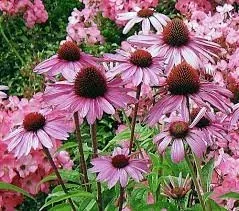
Echinacea angustifolia is a North American coneflower whose root has been used for generations to support the immune system's natural response, especially when seasons change. Research on echinacea as a group suggests modest benefits for how often and how long people feel run-down. Skip it if you are allergic to ragweed or other daisy-family plants.
What Is Echinacea Angustifolia Root?
Echinacea angustifolia is a wildflower native to the Great Plains of North America — the vast grasslands stretching from Texas up through the Dakotas and into Canada. You might recognize it by its distinctive purple cone flower: a spiky, downward-drooping center surrounded by reddish-purple petals. It is a striking plant, and a tough one — built for dry prairie winds, scorching summers, and hard winters.
There are nine species in the echinacea family, but Echinacea angustifolia stands apart. It is smaller and harder to grow than its more commercially common cousin, Echinacea purpurea, which is why most mass-market products use purpurea instead. But among herbalists and researchers who study the root closely, angustifolia is considered the more potent species — particularly when it comes to its concentration of alkylamides, the compounds responsible for the characteristic tingling sensation on your tongue and much of the plant’s immune-modulating power.
Critically, it is the root that matters — not the leaves, not the flowers, not the aerial parts of the plant that most commercial teas and capsules contain. The root of E. angustifolia develops slowly over three to four years, accumulating a higher concentration of active compounds than any other part of the plant. When you see a cheap echinacea product that does not specify “root” or specifies only “aerial parts,” you are getting a fraction of what this plant can offer.
In Klara Boost, we use organic fresh echinacea angustifolia root specifically. This is a deliberate choice rooted in both traditional practice and the science that has caught up to it. You deserve the real thing.
Ancient WisdomThousands of Years of Wisdom
Echinacea may be the most historically significant medicinal plant in North American history. Anthropologists and ethnobotanists have documented its use by more than 14 distinct Native American tribes across the Great Plains and beyond — making it arguably the most widely used medicinal herb by indigenous North Americans, and one of the most important plants in the entire Western Hemisphere’s history of medicine.
The tribes who used it did not share one language, one culture, or even one continent of origin. But they arrived at the same plant independently, through generations of careful observation and oral tradition. That convergence is powerful. It is the kind of evidence that does not come from a randomized controlled trial — it comes from centuries of human experience, paid for in lived consequences.
Here are some of the peoples who relied on echinacea — and what they used it for:
The Lakota Sioux used echinacea root as one of their most important medicines. They chewed on the root to treat toothaches and mouth sores — and healers applied it topically to infected wounds, snakebites, and burns. The alkylamides responsible for that distinctive numbing tingle on the tongue gave it a reputation as a pain-reliever as well as an infection fighter.
The Cheyenne used it as a treatment for sore throats, preparing it as a gargle or chewing the root directly. The Comanche used it for toothaches and throat infections. The Kiowa prepared it as a tea for coughs and colds. The Omaha and Ponca used it in sweat lodge ceremonies and as a general treatment for fevers and infection.
What unites these uses across wildly different cultures is a consistent recognition: this plant supports the body's natural defenses. Snakebites, wounds, fevers, sore throats, colds — the applications varied, but the underlying function was always the same.
Echinacea entered mainstream American consciousness through a 19th-century patent medicine called “Meyer’s Blood Purifier,” created by a Nebraska physician named H.C.F. Meyer in the 1880s. Meyer had learned about the plant from Native Americans and was so convinced of its power that he offered to personally be bitten by a rattlesnake to demonstrate its efficacy to skeptical doctors. (The offer was declined.) His product sparked enormous interest among the Eclectic physicians — a school of American medicine that drew heavily on botanical remedies — and by the early 20th century, echinacea had become the single most prescribed medicine in Eclectic practice.
Dr. John Uri Lloyd, one of the most influential pharmacists and herbalists in American history, championed echinacea as the cornerstone of herbal immune support. The Eclectic physicians used it for everything from blood poisoning and diphtheria to influenza and typhoid fever. Their clinical observations, recorded meticulously over decades, described patterns of use that look remarkably like what modern clinical trials have confirmed: shorter colds, faster recovery, and reduced severity of upper respiratory infections.
When conventional pharmaceutical medicine took over in the mid-20th century, echinacea faded from mainstream American medicine — but it never disappeared from Europe. German researchers kept studying it through the 1950s, 1960s, and 1970s, building a rigorous scientific foundation. Today, echinacea is one of the most studied herbs in the world, with over 400 published scientific studies, and it remains one of the best-selling herbal supplements globally.
Sourcing & QualityThe Wildcrafted Difference
Think about the difference between a wolf and a domesticated dog. The wolf earns every meal. It navigates weather extremes, outruns predators, and fights off disease without any help from humans. The result is a lean, powerful, highly capable animal. The domesticated dog lives in a warm house with consistent food and predictable safety. It is a wonderful companion — but it is not the same animal that the wolf is.
Plants respond to their environment in exactly the same way. A plant growing in ideal farm conditions — watered regularly, fed nutrients, protected from pests and competition — does not need to produce large amounts of its protective chemistry. Its life is easy. But a wild echinacea plant growing in the open prairies of the Great Plains — baked by summer sun, frozen in winter, competing with grasses and drought, fighting off insect damage — has to work hard to survive. And that work shows up in its chemistry.
The alkylamides that make echinacea so medicinally valuable are, in part, defense compounds — the plant produces them to protect itself. The more environmental stress the plant faces, the more of these compounds it tends to develop. Wild and wild-simulated echinacea root from its native prairie habitat simply carries a richer concentration of the compounds you are looking for.
Additionally, Echinacea angustifolia grows slowly. It takes three to four years to develop a mature root with full medicinal potency. Commercial operations that rush this growth cycle or harvest the roots too early end up with a product that looks right but falls short on the inside. At Drink Inc, we use fresh organic echinacea angustifolia root — properly grown, properly harvested, and extracted without alcohol so the full spectrum of compounds is preserved in the form you can actually use.
The ScienceWhat Is Inside the Root — Key Compounds
Echinacea angustifolia root contains a unique combination of compounds not found together in almost any other plant. Here is what each one does — in plain terms.
Alkylamides
These are the compounds responsible for the distinct tingling, numbing sensation you feel on your tongue when you chew or taste real echinacea root extract. That tingle is a sign that the active compounds are present and potent. Alkylamides work by interacting with CB2 receptors — the same receptors that the endocannabinoid system uses to regulate immune function and inflammation. When alkylamides bind to these receptors, they help modulate immune activity, potentially priming immune cells to respond more effectively to threats. Echinacea angustifolia root has significantly higher alkylamide concentrations than purpurea or any aerial parts of the plant.
Echinacoside
A caffeic acid derivative found in high concentrations in echinacea root (particularly angustifolia), echinacoside is one of the key markers researchers use to assess extract quality. It has antioxidant properties and may contribute to the plant’s anti-microbial and anti-viral activity. When you see a standardized echinacea extract, echinacoside is often one of the compounds being standardized to — meaning it is measurable proof that the medicinal material is actually present.
Cichoric Acid
Another caffeic acid compound, cichoric acid has been studied for its antioxidant activity and its potential to activate macrophages — a type of immune cell that essentially acts as the first-responder patrol system of your immune body. When a macrophage encounters a pathogen, it engulfs and destroys it while also sending out signals to recruit more immune cells. Cichoric acid may help these cells do their job more effectively.†
Polysaccharides
Like the polysaccharides in astragalus, those in echinacea act as training tools for the immune system. They help stimulate the production and activity of immune cells, particularly in the early-response phase of fighting an infection. These are the compounds most likely responsible for echinacea’s well-documented ability to activate immune defenses quickly — which is why it works best when started at the first signs of illness.†
Glycoproteins
Glycoproteins are protein-sugar hybrid molecules that have been studied for their role in immune activation and the production of interferon — a class of signaling proteins that helps cells resist viral infection. They work in concert with the polysaccharides and alkylamides, which is why whole-root extracts tend to outperform isolates in research settings. The whole is more powerful than any single part.
The Benefits of Echinacea Angustifolia Root
Supports Seasonal Wellness
This is where the body of research on echinacea is largest. Multiple systematic reviews have evaluated echinacea preparations for their effects on seasonal upper-respiratory wellness. It is traditionally used at the first hint of feeling run-down to support the body’s natural defenses.†
Rapid Immune Activation
Echinacea’s alkylamides and polysaccharides may help activate your immune system’s first responders within hours of ingestion — ramping up the activity of macrophages and natural killer cells that patrol for threats. This rapid-response quality is one reason traditional herbalists used it acutely, at the first sign of illness, rather than as a preventive daily tonic.†
Upper Respiratory Wellness
Upper respiratory wellness is where echinacea has the deepest body of research. The herb has been studied for its effects in this category and is traditionally used to support the body’s natural defenses during seasonal change.†
Anti-Inflammatory Effect
The CB2 receptor interaction of echinacea’s alkylamides does more than boost immune activation — it also has a regulatory effect that may help reduce excessive inflammation. This is one reason echinacea has been studied for conditions involving inflammatory processes, from sore throats to skin conditions to joint discomfort.†
Lymphatic Support
The lymphatic system is your body’s internal drainage and immune network — a vast network of vessels and nodes that filter pathogens and waste products. Traditional herbalists have long associated echinacea with supporting lymphatic function, particularly in cases of swollen lymph nodes, chronic infection, and immune suppression. Modern research is beginning to investigate this connection.†
Antioxidant Protection
The caffeic acid derivatives in echinacea — particularly cichoric acid and echinacoside — are potent antioxidants. They help neutralize free radicals — unstable molecules that damage cells and contribute to chronic disease and aging. This antioxidant activity adds another layer of protection beyond the direct immune effects.†
What Echinacea May Help With
Seasonal upper-respiratory wellness is one of the most common everyday concerns for busy adults — and one of the most studied areas for echinacea. The herb has a long traditional use across many cultures for supporting the body’s natural defenses during seasonal change.
If You Feel Run-Down Often During Seasonal Changes
Some people seem to feel run-down more easily during seasonal transitions. Every office bug, every change of weather, every long flight seems to take a toll. Echinacea has been studied specifically in this context and is traditionally used to support the body’s natural defenses at the first hint of feeling off.†
If You Deal with Frequent Sinus Infections
Recurring sinus infections are often the aftermath of poorly resolved colds that take root in sinus tissue. The anti-microbial and anti-inflammatory properties of echinacea may help address both the underlying infection and the inflammation that makes sinuses swell and block drainage. Traditional herbalists regularly used echinacea for sinus and upper respiratory conditions well before modern antibiotics existed.†
If Your Children Seem to Run Down Often
Children’s immune systems are still developing, which is part of why kids tend to feel run-down more often than adults during seasonal changes. Echinacea has been studied in pediatric populations as part of seasonal-wellness support. As with any supplement for children, consult your pediatrician before starting.†
If You Travel Frequently
Airports and airplanes are among the most effective environments on Earth for spreading respiratory illness. Recycled cabin air, close proximity to strangers, disrupted sleep, and time zone changes all conspire to suppress your immune function right when you need it most. Echinacea has been used by travelers who want an immune edge — some take it a few days before flying and through the trip itself as a way to give their immune system extra support during high-exposure periods.†
If You Are Coming Off Antibiotics
After a course of antibiotics, your immune system — and your gut microbiome — often need support to recover. Echinacea’s immune-activating properties may help your body rebuild its natural defenses while the microbiome is working to rebalance. It is worth noting that traditional herbalists used echinacea to help people recover from exactly the kinds of bacterial infections that antibiotics now treat.†
If Stress Is Wrecking Your Immunity
Stress is one of the most reliable ways to suppress immune function. When cortisol levels stay elevated — as they do during chronic stress — your immune system pays the price. This is why many people notice they get sick most often right after a big deadline, a difficult emotional event, or a period of poor sleep. Echinacea cannot fix the stress itself, but it may help maintain immune readiness even when stress is temporarily pulling the system down.†
If You Have Slow-Healing Wounds or Skin Issues
The traditional application of echinacea to wounds, cuts, and infected skin reflects a real anti-microbial and anti-inflammatory action that modern topical research has confirmed. For people who struggle with slow-healing minor skin issues or recurring skin infections, echinacea — both internally and topically — may offer supportive benefits.†
For the Health EnthusiastYou’re Already Healthy. Here’s Why Echinacea Still Matters.
Echinacea is often thought of as a herb you reach for when you are getting sick. And that is entirely valid — the acute-use evidence is strong. But plenty of people who are perfectly healthy choose to keep echinacea in their daily toolkit because they understand that immunity is not just about fighting illness. It is about staying sharp, resilient, and high-functioning even when the environment is working against you.
For an athlete, the post-exercise immune window is a real vulnerability. Intense training sessions temporarily suppress immune function for several hours afterward — a phenomenon well-documented in exercise science. Elite athletes and serious recreational competitors often get sick during peak training blocks for exactly this reason. Including echinacea during heavy training periods may help maintain immune readiness during those vulnerable windows.†
For a busy professional who cannot afford to lose three to five days to a cold, the calculus is simple. Echinacea used at the very first sign of illness — that subtle scratch in the throat, the slight heaviness behind the eyes — may shorten that illness significantly. The key is speed. The earlier you take it, the more effectively it appears to work. This makes it worth having on hand, ready to deploy the moment you feel something coming on.
For a parent who is constantly exposed to every germ their children bring home, echinacea offers a reasonable line of defense during peak cold and flu season. Some parents take it preventively through the worst months of winter, others reserve it for when they feel something starting. Either way, it is one of the most credentialed herbal tools for exactly this kind of real-world immune challenge.†
And for anyone who simply takes their health seriously — the person who eats well, exercises, manages stress, gets sleep — echinacea fits naturally into the philosophy that you do not wait for problems to show up before you start addressing them. Immunity is a system that rewards consistent investment.
Practical GuideHow to Use Echinacea Root
Echinacea works differently depending on how you use it. For acute use — at the first sign of a cold or infection — it is most effective when started immediately and taken consistently for five to ten days. For preventive use during cold and flu season, many people take it for eight to ten weeks, then take a short break. Unlike astragalus, echinacea is generally considered more of a short-to-medium term herb than a permanent daily tonic.
Forms Available
- Liquid tincture / dropper: Fast-absorbing, versatile, and the most traditional form. When you taste the tingling sensation of real alkylamides, you know it is working. In Klara Boost, echinacea is part of an alcohol-free liquid formula designed for quick absorption.
- Capsules / tablets: Convenient for daily use but may not deliver alkylamides as effectively since these compounds are best absorbed through the mucous membranes of the mouth.
- Teas / infusions: More appropriate for aerial parts (flowers, leaves) than root. Root preparations require a longer extraction (decoction) rather than a simple steep.
- Standardized extracts: Look for products standardized to echinacoside or alkylamide content — these are the markers of a quality angustifolia extract.
Timing and Dosage
- For acute use: begin at the very first sign of illness. The sooner, the better. Take consistently for five to ten days.
- For preventive use: use for eight to twelve weeks during cold and flu season, then take a one to two week break before continuing.
- In Klara Boost: 30 drops in water, juice, smoothie, or coffee once daily as part of a broader immune-support formula.
- Traditional Eclectic physicians used echinacea in small frequent doses throughout the day during acute illness — consistency of dosing matters more than single large doses.
Precautions and Considerations
- Echinacea has an excellent long-term safety record. Short-term use is well-established as safe in most adults and children.
- People with autoimmune conditions (such as lupus, multiple sclerosis, or rheumatoid arthritis) should consult a doctor before use — the immune-stimulating effects may not be appropriate for these conditions.
- If you have an allergy to plants in the daisy family (Asteraceae) — including ragweed, chrysanthemums, or marigolds — you may have a sensitivity to echinacea. Start with a small amount.
- Pregnant and breastfeeding individuals should consult a healthcare provider before use.
- If you take immunosuppressant drugs, consult your doctor before using echinacea.
- Echinacea is not a substitute for antibiotics in confirmed serious bacterial infections — always follow your doctor’s guidance.
What the Research Shows
Echinacea is among the most clinically studied herbal medicines in the world. Over 400 studies have been published on various aspects of the plant — from its chemistry to its clinical effects in humans. The sheer volume of research is one reason it remains one of the top-selling herbal supplements in the United States and Europe, even as trends come and go.
The most influential piece of modern echinacea research is a 2007 meta-analysis published in Lancet Infectious Diseases by Shah and colleagues. This systematic review pooled the results of 14 clinical trials involving over 2,000 participants. The findings were striking: echinacea use was associated with a 58% reduction in the incidence of the common cold and a reduction in duration of approximately 1.4 days. These are not trivial numbers — a 58% reduction in cold incidence means that people taking echinacea got significantly fewer colds than those taking placebo.†
A major Cochrane systematic review, conducted by Linde and colleagues and updated in 2015, analyzed 24 randomized trials on echinacea for the common cold. The review found that several echinacea preparations — particularly those using echinacea root — were more effective than placebo in preventing and reducing the duration of colds. The review also highlighted that product quality matters enormously: studies using well-characterized, potent echinacea root extracts showed stronger effects than those using lower-quality or poorly standardized products.†
On the mechanistic side, research published by Zhai and colleagues (2007) in the International Journal of Immunopharmacology provided one of the first detailed explanations of how alkylamides work at the molecular level — demonstrating their interaction with CB2 cannabinoid receptors and showing how this interaction modulates cytokine production, the chemical signaling system that orchestrates immune responses. This research helped explain decades of empirical evidence and opened new avenues for understanding the herb’s full range of effects.†
A randomized controlled trial by Barrett and colleagues (2010), published in Annals of Internal Medicine, studied echinacea in a rigorous clinical setting and found modest but positive effects on cold duration. The study was notable for its transparency about effect size — researchers found benefits, but were careful to contextualize them. The result has been a productive scientific conversation about dose, timing, species, and plant part — all of which the evidence increasingly suggests matter significantly.†
Research specifically on Echinacea angustifolia has also highlighted its unique standing among echinacea species. A 2005 study by Goel and colleagues published in the Journal of Clinical Pharmacy and Therapeutics found that angustifolia root extract stimulated immune cell activity in healthy volunteers, providing human evidence for the immune-activating mechanisms documented in the laboratory. The research consistently points back to the root of angustifolia as the most bioactive part of the most medicinally potent species.†
It is worth being honest about what the research does not yet tell us. Effect sizes vary across studies. Some trials show strong benefits; others show more modest ones. Much depends on the specific product used, the dose, and the timing of use. What the overall body of evidence does support clearly is that echinacea, particularly angustifolia root, has real and measurable effects on the immune system — effects that align with centuries of traditional use and that no other herbal or conventional supplement has yet replicated as consistently.
Frequently asked questions
Is it safe to take echinacea every day?
Echinacea has a strong safety record for short-to-medium-term daily use — studies up to 12 weeks show no significant adverse effects in healthy adults. However, unlike astragalus, it is generally recommended to take a break after 8–12 weeks of continuous use and then resume if desired. This practice comes from traditional herbalism and is supported by some researchers who believe cycling is wise for immune-stimulating herbs. People with autoimmune conditions, those on immunosuppressant drugs, pregnant or breastfeeding individuals, and anyone with a known allergy to the daisy family should consult a healthcare provider before daily use.
What is the difference between Echinacea angustifolia and Echinacea purpurea?
Both species have documented immune-supporting properties, but they differ meaningfully in their chemistry and potency. Echinacea angustifolia root contains significantly higher concentrations of alkylamides — the compounds linked to CB2 receptor interaction and direct immune modulation — than purpurea. Purpurea is more commonly used commercially because it is easier to grow and produces larger quantities of aerial parts (leaves and flowers), which are cheaper to harvest. However, traditional herbalists and much of the most rigorous research points to angustifolia root as the more potent option. If you want the real thing, look for products that specify angustifolia root.
When should I take echinacea — before I get sick or after?
Both approaches have merit. For acute use — fighting a cold that is already starting — the key is to start at the very first sign of illness. That might be a faint scratch in your throat, unusual fatigue, or the feeling that something is “off.” The sooner you start, the more effectively the herb appears to work. For preventive use through cold and flu season, regular daily dosing for 8–12 weeks may reduce how often you get sick. Some people do both — taking it daily from October through January, and increasing their dose immediately if they feel something coming on.
Can echinacea interact with medications?
Echinacea can potentially interact with immunosuppressant medications (such as cyclosporine), certain antifungal drugs, and some medications metabolized by liver enzymes (CYP3A4). If you take prescription medications, especially for an autoimmune condition, organ transplant, or cancer treatment, please consult your doctor before adding echinacea. For most healthy adults not on prescription medications, echinacea has a well-established safety profile and interactions are not commonly reported.
Why is echinacea root better than echinacea leaf or flower products?
The root of echinacea — especially angustifolia — is where the most medicinally significant compounds accumulate, particularly alkylamides. The root develops slowly over three to four years, building up a concentrated profile of active compounds that aerial parts (leaves, stems, flowers) simply do not match. Many mass-market echinacea teas and capsules use aerial parts because they are cheaper and faster to produce — but you are getting a diluted version of what the plant can offer. When you see a product labeled “echinacea,” check whether it specifies the root and the species. That distinction matters more than most people realize.
Sources
- Shah SA, et al. (2007). Evaluation of echinacea for the prevention and treatment of the common cold: a meta-analysis. Lancet Infect Dis. 7(7):473-480.
- Linde K, et al. (2015). Echinacea for preventing and treating the common cold. Cochrane Database Syst Rev. 2015(2):CD000530.
- Barrett BP, et al. (2010). Echinacea for treating the common cold: a randomized trial. Ann Intern Med. 153(12):769-777.
- Goel V, et al. (2005). Efficacy of a standardized echinacea preparation (Echinilin) for the treatment of the common cold: a randomized, double-blind, placebo-controlled trial. J Clin Pharm Ther. 30(1):75-83.
- Zhai Z, et al. (2007). Echinacea increases arginase activity and has anti-inflammatory properties in RAW 264.7 macrophage cells, indicative of alternative macrophage activation. J Ethnopharmacol. 122(1):76-85.
- Jawad M, et al. (2012). Safety and efficacy profile of Echinacea purpurea to prevent common cold episodes: a randomized, double-blind, placebo-controlled trial. Evid Based Complement Alternat Med. 2012:841315.

Written by the Drink Inc editorial team. We cite our sources, avoid hype and update guides as new research comes out. Questions or corrections: info@drink-products.com.
† These statements have not been evaluated by the Food and Drug Administration. Drink Inc products are not intended to diagnose, treat, cure, or prevent any disease. Talk with your healthcare provider before starting any supplement, especially if you are pregnant, nursing, take medication, or have a medical condition.